From movement to process intelligence
Successful automation projects follow a clear structure. They are based on a systematic analysis and an evaluation of the entire process.
Professionals not only consider the movements of the robots, but also the following:
- Analyze the existing processing process.
- Identify critical influencing factors.
- Assess wear and its effects.
- Define stable process windows.
- Specifically tailor the tools, drive, and application to each other .
This creates reliable processes that remain stable, even under real production conditions.
Process intelligence requires experience
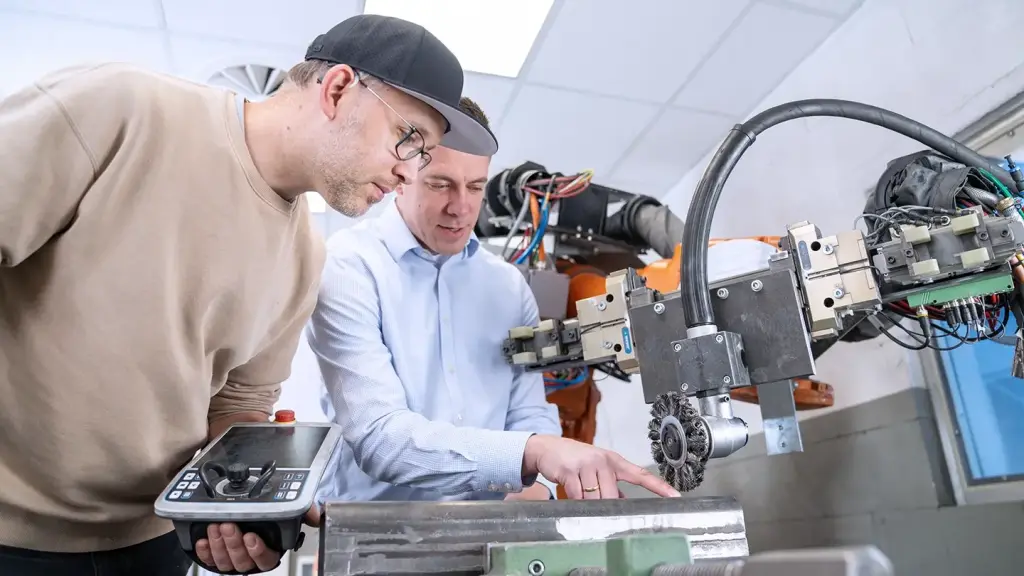
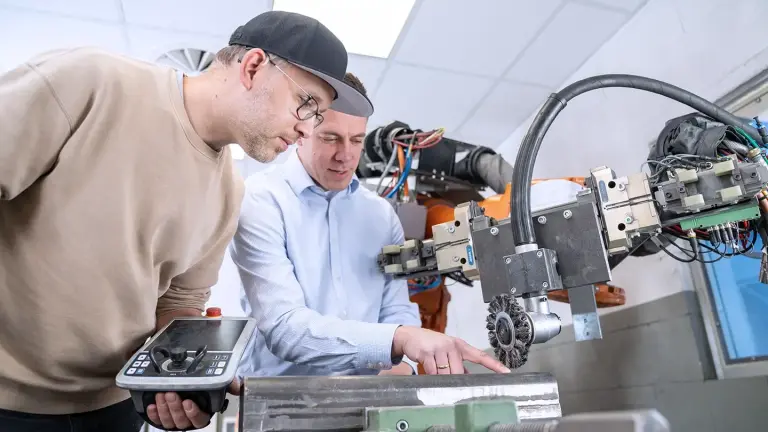
PFERD TOOLS combines decades of experience from manually guided processes with a deep understanding of automated applications.
This knowledge is integrated into the following:
- Developing tools and drives that are suitable for the robot.
- Evaluating real process conditions.
- Structured supervision of automation projects.
Our goal is not only to automate processes but also to sustainably design the in a stable manner – not just as a mere tool manufacturer but rather as a partner for automation that makes processes reliable.
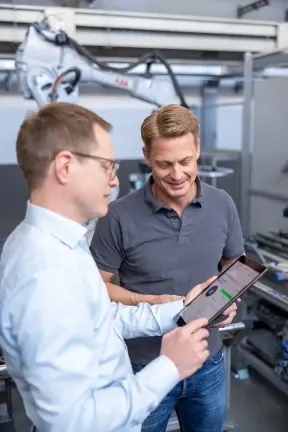
PFERD TOOLS is your experienced process partner since we offer the entire package:

Tool knowledge

An understanding of the processes

Automation experience
That’s a match – The right combination is crucial
In automated processes, there is often a lot of attention paid to programming and robotics. However, a crucial factor often remains in the background: the coordination between the tool and spindle.
Because practice shows that even a stably designed process can become unstable if both of these components do not work together optimally.
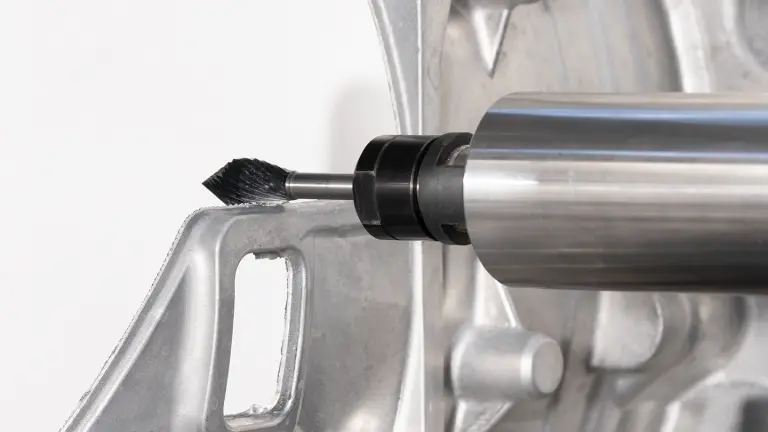
Based on our experience of manual and automated processes, we have developed tried-and-tested tool-spindle combinations for typical applications. These assignments include real deployment conditions, typical process requirements, and proven combinations derived from practice.

Download
Let us talk about your process
Whether you are planning your first steps in automation or wish to optimize existing robotics processes – the key lies in the understanding of process dynamics.